
Illusion Museums vs. Traditional Museums: What Sets Them Apart?

Exploring the World of Illusion Museums
In recent years, illusion museums have captured the imagination of visitors worldwide, offering a unique blend of art and science that challenges perception. Unlike traditional museums, these spaces are designed to engage and bewilder, creating interactive experiences that leave a lasting impression. But what exactly sets them apart from the classic museum experience?
Interactive Experiences and Engagement
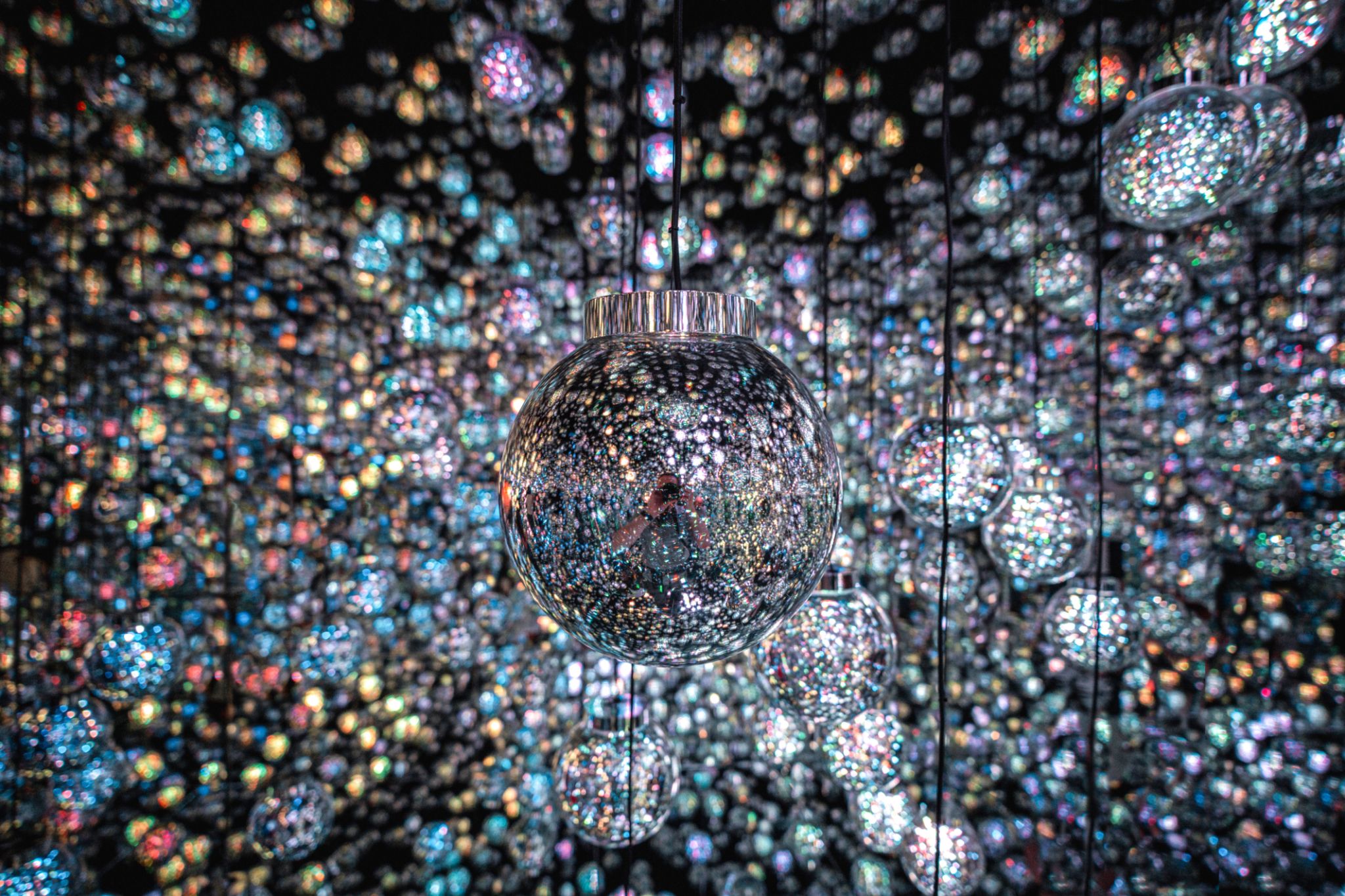
One of the most significant differences between illusion museums and traditional museums is the level of interactivity. Traditional museums often emphasize observation, allowing visitors to quietly appreciate art and artifacts. In contrast, illusion museums encourage active participation. Visitors are invited to touch, manipulate, and immerse themselves in exhibits that play tricks on the mind.
This interactive approach not only makes illusion museums more engaging for younger audiences but also fosters a deeper understanding of the concepts at play. By directly interacting with exhibits, visitors can explore the principles of perception and optical illusions in a hands-on way.
Educational Value and Learning Opportunities
While traditional museums provide educational value through historical context and curated collections, illusion museums offer a different kind of learning opportunity. They focus on the science behind illusions, teaching visitors about visual perception, cognitive processes, and the brain's interpretation of reality.

Many illusion museums incorporate detailed explanations and demonstrations, making complex scientific concepts accessible to all ages. This educational approach complements traditional learning and sparks curiosity about the brain and senses.
Artistic Creativity and Innovation
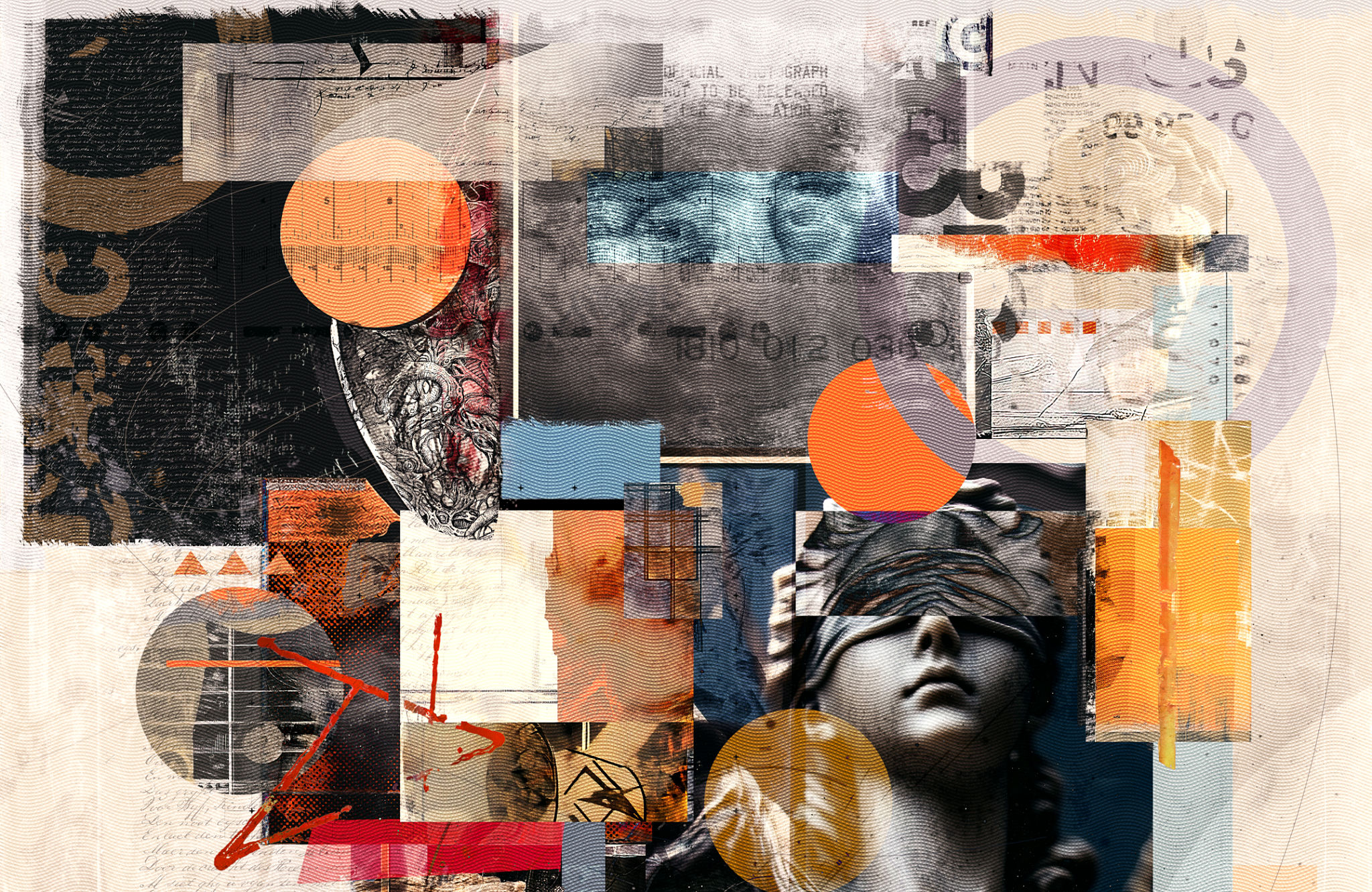
Art plays a significant role in both illusion and traditional museums, but it manifests differently in each setting. Traditional museums often showcase historical artworks, preserving cultural heritage and artistic evolution. Illusion museums, however, focus on contemporary art forms that challenge perception and defy conventional aesthetics.
This creative innovation allows illusion museums to host ever-changing exhibits that continually surprise and delight visitors. Artists and designers are encouraged to push boundaries, creating a dynamic environment that reflects the latest trends in art and design.
Accessibility and Appeal
Illusion museums tend to have broad appeal, drawing in people of all ages and backgrounds. Their emphasis on fun, curiosity, and interaction makes them particularly attractive to families and tourists seeking something out of the ordinary. Meanwhile, traditional museums often attract enthusiasts of art, history, and culture, who appreciate the depth and context of the collections.
Despite their differences, both types of museums contribute to cultural enrichment and community engagement, offering diverse ways to explore and appreciate the world around us.
Conclusion: A Complementary Experience
In conclusion, illusion museums and traditional museums each offer unique experiences that cater to different interests and preferences. Whether you're captivated by the charm of history or the intrigue of illusions, both types of museums provide valuable insights and unforgettable experiences. As they continue to evolve, these cultural institutions will undoubtedly inspire future generations to explore the mysteries and wonders of our world.